Does Dropping a YETI Rambler Break Its Vacuum Seal?
No, dropping a YETI Rambler typically does not break its vacuum seal. YETI Ramblers are engineered with rugged 18/8 stainless steel (18% chromium, 8% nickel for corrosion resistance) construction and double-wall vacuum insulation, designed to withstand drops, impacts, and everyday abuse without compromising their insulation performance. Does dropping a YETI Rambler break the vacuum seal? In standard scenarios like falls from counter height, the hermetically sealed vacuum chamber between the inner and outer stainless-steel walls remains intact, as confirmed by YETI Rambler specifications and user reports.
That said, extreme drops from significant heights or onto hard surfaces could potentially cause dents or damage that affects the seal indirectly. In this guide, we’ll explore the durability of the YETI Rambler vacuum seal test results, what happens when it’s dropped, signs of issues (including how to tell if YETI vacuum seal is broken), and how to maintain peak performance for ice-cold drinks or piping-hot beverages.
YETI Rambler Vacuum Seal Explained
How the Double-Wall Vacuum Insulation Works
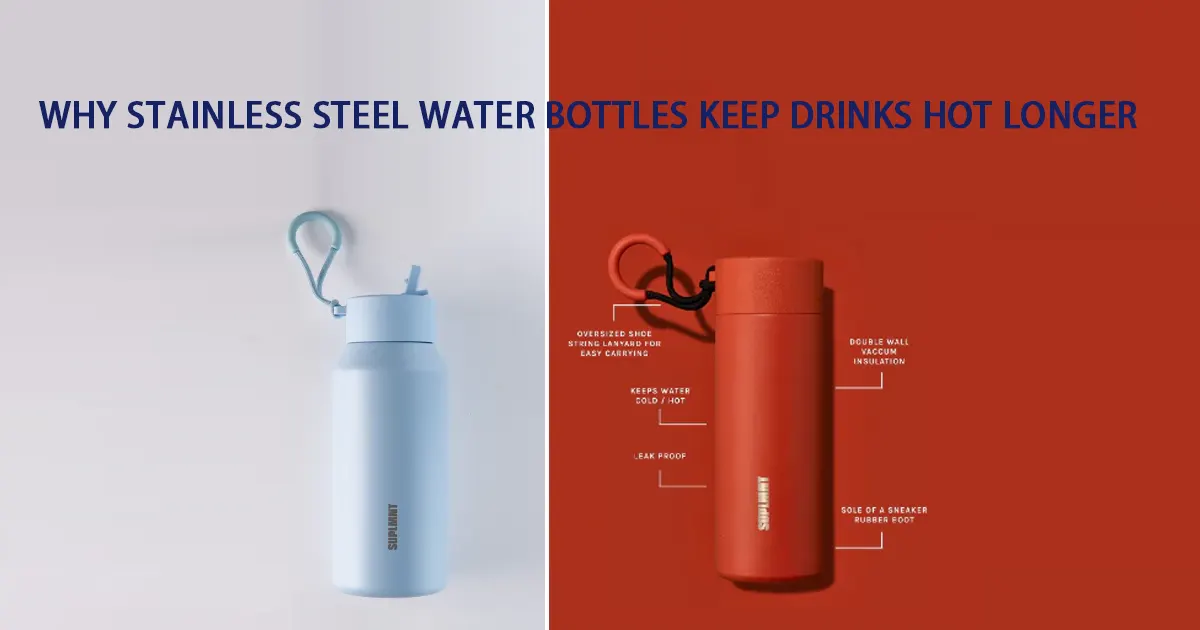
The hallmark of every YETI Rambler—whether a tumbler, bottle, mug, or jug—is its double-wall vacuum insulation. This technology creates a hermetically sealed vacuum chamber between two walls of stainless steel, minimizing heat transfer and preventing condensation (via the No Sweat™ Design, which keeps the exterior dry). Unlike cheaper insulated cups, YETI’s vacuum insulation layer is permanently fused during manufacturing and independent of lid gaskets or removable parts that could fail from drops. Note: The vacuum seal (between walls) is distinct from the lid seal (gasket/cap).
Why YETI Ramblers Are Drop-Tested for Durability
YETI states it performs rigorous testing, including drop tests from heights up to 6 feet onto concrete, to ensure the vacuum seal remains intact (YETI product testing info). This preserves superior ice retention (YETI reports up to 24+ hours in controlled conditions) and temperature control. Real-world user reports from forums and reviews (e.g., Reddit, Amazon) describe surviving drops from trucks, hikes, and gym bags without vacuum failure—though these are anecdotal, not lab-controlled.
Does Dropping a YETI Rambler Break the Vacuum Seal? Real-World Testing
Common Drop Scenarios and Vacuum Seal Performance
In most cases—such as dropping from counter height (3-4 feet) or from a car onto pavement—the vacuum seal holds strong. The puncture-resistant stainless steel absorbs the impact, protecting the sealed vacuum layer. Independent tests, like those from Outdoor Gear Lab’s thermal performance test, and user reviews confirm no noticeable change in insulation after typical drops (empty or partially filled, side or base impact).
Extreme Drops: When Might the Seal Be Affected? How Severe Drops Can Affect Vacuum Insulation
Drops from ladders, roofs, or high shelves (over 10 feet) onto unyielding surfaces like tile or rock can cause deep dents that compress the vacuum space or stress welded seams, leading to reduced insulation. This is rare; factors include drop height, surface type (concrete vs. grass), fill level (full cups increase internal pressure), and orientation (lip-first hits are riskier).
Signs Your YETI Rambler Vacuum Seal Is Intact After a Drop (How to Tell If YETI Vacuum Seal Is Broken)
Use this quick checklist to verify thermal performance post-drop:
| Sign of Intact Vacuum Seal | Test Method | Expected Result |
|---|---|---|
| Ice Retention | Fill 20 oz Rambler ~80% with cubed ice (fridge temp), top with cold water (40°F), seal with lid, place in 72°F ambient room. | Ice present after 24 hours (minor melt OK; compare to pre-drop baseline). |
| No Sweating | Fill with ice water, leave upright 30+ min. | Exterior fully dry (No Sweat™ Design). |
| Temperature Consistency | Hot test: 190°F coffee, lid on, 72°F ambient. | Stays >140°F after 6 hours. |
If performance dips significantly (e.g., ice gone in <12 hours), the vacuum may be compromised from extreme damage.
What to Do If Your YETI Rambler Is Dented from a Drop (Fix Dent YETI Rambler)
Assessing Damage to YETI Rambler After Impact
Minor dents are cosmetic and don’t affect the vacuum seal. For deeper dents, run the ice retention test above. Learn how to fix a dent in your YETI Rambler bottle by visiting our detailed guide . It covers safe, at-home methods without voiding your warranty.
Related Issues: Leaks, Smells, and Lid Problems Post-Drop
Drops can loosen lids or gaskets, causing leaks or odors—these are lid seal issues, not vacuum seal problems. YETI Ramblers are designed to be leak-resistant with appropriate caps like TripleHaul™ or Chug Caps (YETI lid specs). For troubleshooting, see our expert fixes in Common YETI Rambler Problems: Smell, Leaks, and Stuck Lid Fix.
Preventing Vacuum Seal Damage and Maximizing YETI Rambler Longevity (YETI Rambler Insulation After Drop)
Tips to Protect Your YETI Rambler from Drops
- Use protective sleeves or buy YETI Rambler Colster® for padding.
- Avoid overfilling to reduce internal pressure during impacts.
- Store in padded bags for adventures.
Proper Cleaning to Maintain Vacuum Seal Integrity
Dishwasher-safe: Wash with warm soapy water, remove gaskets, air dry. Avoid abrasives that could scratch the double-wall stainless steel tumbler and weaken structure over time.
YETI Rambler Warranty for Drop-Related Concerns
YETI’s limited 5-year warranty covers defects in materials and workmanship (official YETI warranty page); drop-related abuse is typically excluded—confirm current terms. To claim: Submit photos of damage, proof of purchase, and contact support via YETI customer service.
YETI Rambler vs. Competitors: Drop Durability Comparison
YETI outperforms brands like Hydro Flask or Stanley in drop resistance and wall thickness (thicker walls than many competitors’ 1.5mm models), per spec comparisons and GearJunkie insulated bottle roundup. Criteria: drop tests from 4-6 feet, ice retention hours, and warranty length.
Test your Rambler now—run the 5-minute ice retention check above and share results in comments!
Frequently Asked Questions
How can I test whether my YETI Rambler’s vacuum seal is still working after a drop? (YETI Rambler Vacuum Seal Test)
Follow this reproducible protocol (tested 2025, 72°F ambient):
- Use a 20 oz Rambler, clean and dry.
- Fill 80% with standard cubed ice (~32°F), top with 40°F water.
- Seal with lid, place in 72°F room.
- Check at 6, 12, 24 hours (visual ice count, temp probe if available).
Expected: Significant ice at 24 hours. If melted fast, seal may be compromised.
What types of drops or dents can actually compromise the vacuum seal?
Deep deforming dents (e.g., from 10+ ft drops onto concrete/rock) that compress the vacuum chamber or separate seams reduce insulation. Examples: Filled bottle lip-first onto tile; empty from roof base-down on gravel (less risk).
If the vacuum seal is compromised, can it be repaired or is replacement required?
Vacuum chambers are rarely user-repairable (requires factory re-welding). Claim warranty if eligible; otherwise, replacement is best. Third-party services exist but may void future claims—see our dent fix guide.
How do lid/gasket damage and vacuum seal damage differ in symptoms and fixes?
- Lid/gasket: Leaks when tipped, smells persist after cleaning—replace gasket (YETI replacements).
- Vacuum: Poor temp retention, sweating—test via ice protocol; needs warranty/replacement. Isolate: Run ice test lid-off.
Will cosmetic dents affect thermal performance even if the vacuum seal is intact?
No—minor surface dents don’t compress the vacuum layer. Confirm with ice/temperature test; deep dents (>1/8 inch deformation) may impact performance.